
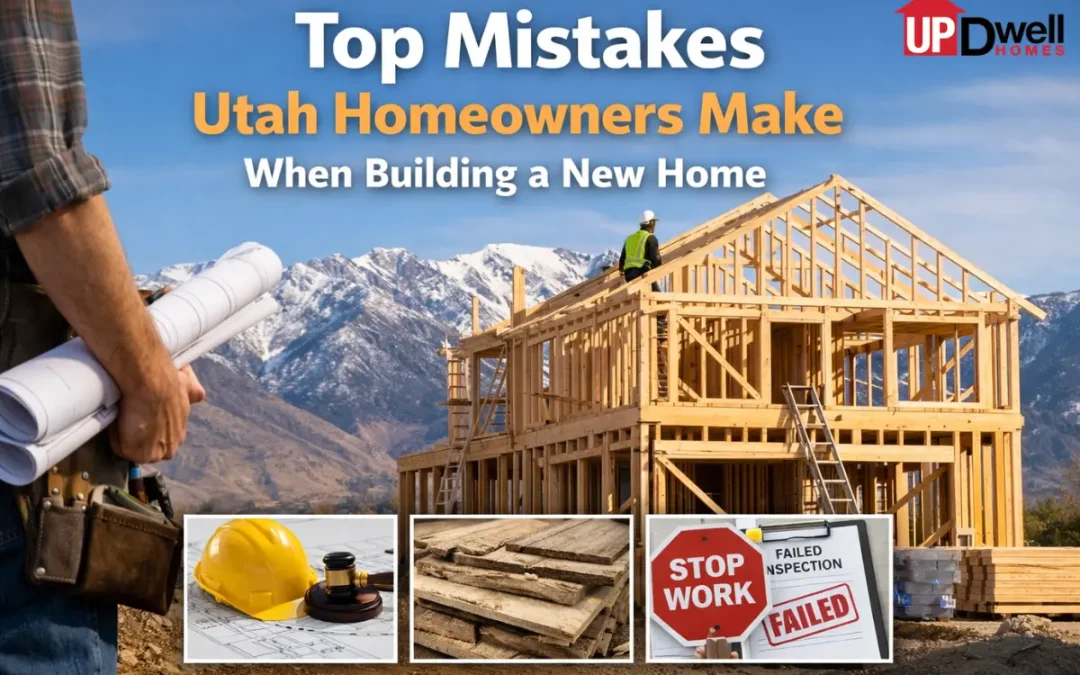
Building a new home in Utah is exciting — but after years working on construction sites from the Wasatch Front to the high-elevation valleys, we’ve seen first-hand how small oversights can turn that dream into a stressful, expensive ordeal. Expansive clay soils, seismic requirements in Design Category D/D2 zones, heavy snow loads, and Utah’s ongoing code amendments (currently based on the 2021 IRC with state-specific changes) create unique challenges that catch even prepared homeowners off guard.
If you’re planning to build, here are the most common mistakes we see Utah families make — and the practical steps to avoid them so your home is safe, durable, code-compliant, and built right the first time.
As a builder who’s guided dozens of Utah families through the process, I share these insights to help you sidestep costly pitfalls and enjoy the home you’ve always wanted.
Not Planning or Budgeting Realistically
One of the biggest mistakes when building a home in Utah is jumping in without a clear, realistic plan. Many homeowners start with inspiration photos and rough numbers but don’t fully account for timelines, site conditions, or hidden costs.
In Utah, factors like sloped lots, soil conditions, winter construction delays, and permit timelines can significantly impact both schedule and budget. We’ve seen projects stall simply because contingency costs weren’t planned for.
How to avoid it:
- Finalize your floor plan and scope before construction begins
- Build a detailed budget that includes permits, utility hook-ups, and site prep
- Set aside a contingency fund (usually 10–15%) for unexpected costs
Good planning upfront saves money, time, and stress later.
Ignoring Local Building Codes and Utah-Specific Requirements
Utah adopts the 2021 International Residential Code (IRC) and International Building Code (IBC) with statewide amendments (Utah Code Title 15A) designed for our climate and geography—including snow loads, seismic requirements related to the Wasatch Fault, and strict energy-efficiency standards. Assuming codes are “standard everywhere” is a costly mistake.
We’ve worked with homeowners who had to redo framing, insulation, or structural elements because local requirements weren’t followed correctly the first time.
How to avoid it:
- Work with a builder who understands local Utah codes
- Confirm permits are pulled before work begins
- Schedule inspections at each required stage
Cutting corners here almost always costs more in the long run.
Choosing the Cheapest Materials
Trying to save money by choosing the lowest-cost materials is one of the most common Utah home building mistakes we see. While it may reduce upfront costs, it often leads to higher maintenance, repairs, and energy bills—especially in Utah’s hot summers and cold winters.
Low-quality windows, roofing, or insulation simply don’t perform well long-term in this climate.
How to avoid it:
- Invest in durable roofing and siding
- Choose energy-efficient windows and insulation
- Ask your builder where quality matters most—and where you can save
Smart material choices protect your investment for decades.
Skipping or Rushing Independent Inspections
Some homeowners see inspections as a formality and try to move through them quickly. This is a risky approach. Inspections are critical checkpoints that ensure work meets safety standards and building codes.
We’ve uncovered serious issues during inspections that homeowners never would have noticed—issues that could have caused major problems later.
How to avoid it:
- Never skip required inspections
- Hire independent inspectors when possible
- Address issues immediately before moving forward
A thorough inspection today can prevent costly repairs tomorrow.
Hiring the Wrong Builder or Contractor
Choosing the wrong builder is one of the biggest—and most expensive—mistakes when building a new home in Utah. Not all builders have experience with local conditions, subcontractors, or permitting offices.
We’ve taken over projects where homeowners were left with poor workmanship, missed deadlines, and unclear communication.
How to avoid it:
- Choose a licensed, insured Utah-based builder
- Ask for local references and completed projects
- Look for transparency, communication, and a clear contract
The right builder makes the entire process smoother and more predictable.
Overlooking Energy Efficiency and Long-Term Costs
Energy efficiency isn’t just a trend—it’s essential in Utah. Homes that aren’t built with efficiency in mind often come with higher monthly utility bills and reduced comfort.
Features like proper insulation, high-efficiency HVAC systems, and smart home technology make a noticeable difference year-round.
How to avoid it:
- Design with Utah’s climate in mind
- Invest in energy-efficient systems and materials
- Plan for long-term operating costs, not just build cost
Energy-efficient homes are more comfortable, more valuable, and cheaper to operate.
Final Thoughts: Build Smarter, Not Harder
Building a new home is one of the biggest investments you’ll ever make. By avoiding these common mistakes when building a home in Utah, you can protect your budget, timeline, and peace of mind.
The right planning, the right materials, and the right team make all the difference.
Ready to Build Your Home the Right Way?
If you’re planning to build a new home in Utah and want guidance from experienced local professionals, we’re here to help.
Contact us today to:
- Discuss your project and budget
- Get expert insight on Utah building requirements
- Avoid costly construction mistakes before they happen
📞 Call us today or 📩 request a consultation through our website—and let’s build your home with confidence.